
Here's a question I think the construction industry needs to be asking more often.
Why are we still designing school buildings as though their requirements will never change?
Pupil numbers fluctuate. SEND requirements evolve. Schools expand, merge and sometimes close.
Yet we continue to invest millions in buildings that can be difficult and expensive to adapt.
A recent industry article highlighted how modular construction and designing for reuse could help deliver a more sustainable education estate.
And it raises an interesting question…
Should we be designing school buildings to last 50 years in one location, or designing them to adapt to 50 years of changing needs?
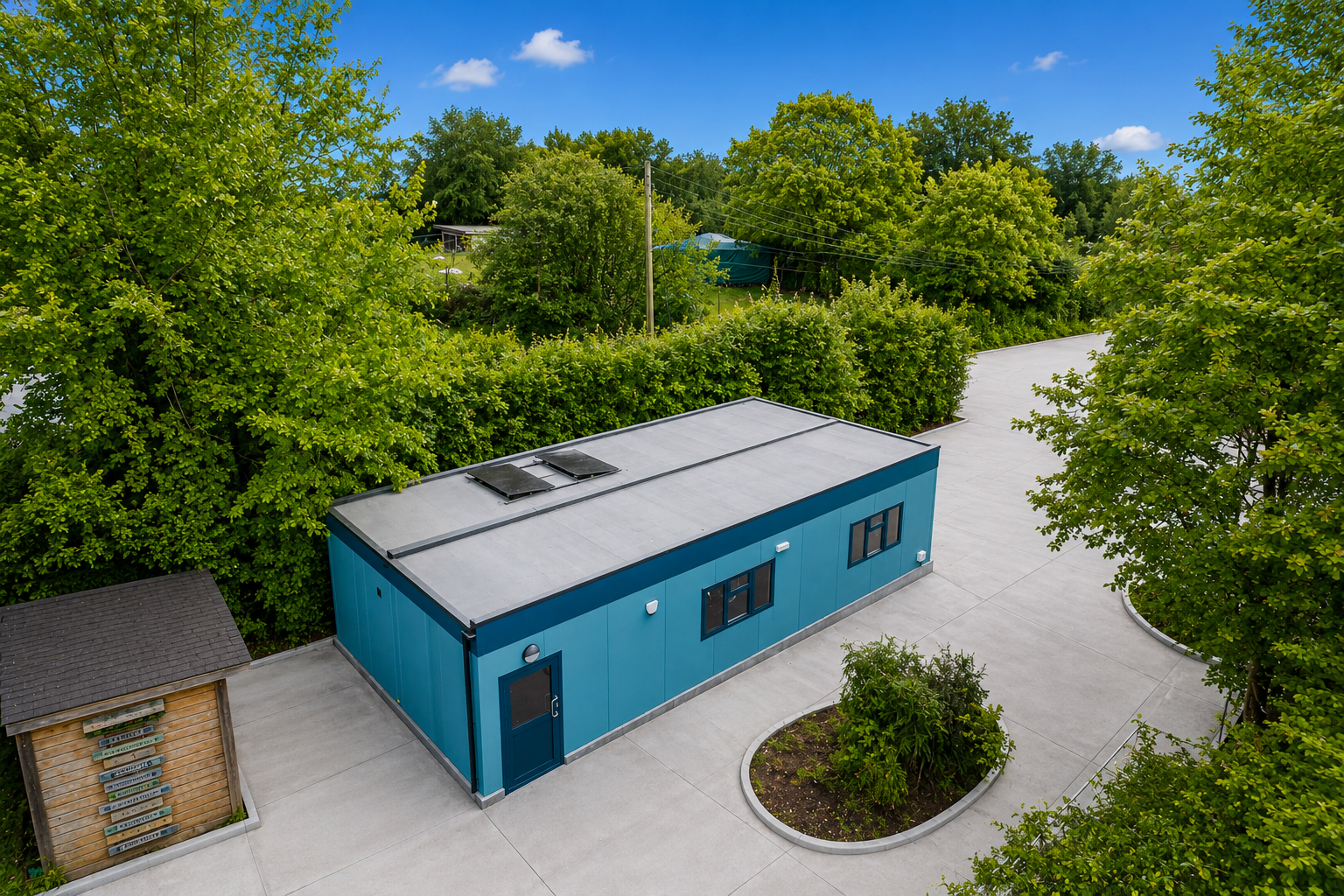
Modern modular construction can offer permanent, high-quality facilities while also providing opportunities for future expansion, reconfiguration and, where designed appropriately, relocation.
But there's still a perception that modular means temporary or lower quality.
Surely flexibility should be seen as a strength, not a compromise?
At Explore Modular, we see the benefits of offsite construction across education projects, but I'm interested in hearing views from both sides of the industry.
If you were responsible for investing £5 million into new school facilities, which would you choose?
If you were responsible for investing £5 million into new school facilities, which would you choose?
A) A traditional building designed for long-term use.
B) A modular building designed for long-term use, with the potential to adapt or expand as requirements change.
C) Whichever solution offers the best whole-life value, regardless of construction method.
And more importantly, why?
Explore would be particularly interested to hear from local authorities, school leaders, architects, consultants and fellow contractors.
#ModularConstruction #EducationConstruction #SchoolBuildings #OffsiteConstruction #ExploreModular